
Lifting weights offers numerous benefits for women, from improving endocrine function to metabolic health. However, one of the most important reasons women should resistance and high-impact training is to maintain or improve bone density.
Why Bone Density Matters
Bone density, or bone mineral density (BMD), measures how much mineral content is present per square centimeter of bone. This measure is vital because it indicates the strength and resilience of our bones. Think of BMD as the foundation of our skeletal health. Strong bones are crucial for daily activities, whether it’s carrying groceries or playing with grandchildren. As we age, maintaining optimal BMD becomes increasingly important.
Unique Challenges for Women
Women face a significantly higher risk of developing conditions like osteopenia and osteoporosis than men. These conditions are often linked to the decrease in estrogen during menopause, but lifestyle factors, including a lack of challenging or intense physical activity, also play a role. Osteoporosis and osteopenia both result in reduced bone density, making bones more susceptible to fractures. According to the National Osteoporosis Foundation, women account for approximately 75% of all hip fractures. These fractures can significantly impact physical health, mental well-being, and overall quality of life.
Maintaining optimal BMD levels is not just a health goal but a necessity for preserving physical, social, and functional independence as we age.
Understanding Osteoporosis and Osteopenia
Osteoporosis is characterized by porous and fragile bones, which significantly increases the risk of fractures. It occurs when the body loses too much bone, makes too little bone, or both.
Osteopenia, a precursor to osteoporosis, indicates lower-than-normal bone density but not low enough to be classified as osteoporosis. It’s a warning sign before bone density reaches osteoporotic levels.
Understanding these distinctions highlights the importance of proactive measures to protect bone health. By focusing on strategies to enhance and maintain bone density, we can reduce the risks associated with bone fragility and foster a healthier, more resilient skeletal system.
Factors Influencing Bone Density
Several factors influence bone density:
- Age: Bone density peaks in our twenties and gradually decreases with age.
- Sex: Women are more susceptible to bone density loss, especially post-menopause due to a drop in estrogen levels.
- Genetics: Family history plays a significant role in bone health.
- Diet: Adequate intake of calcium and vitamin D is essential for bone health.
- Physical Activity: Weight-bearing, high-impact, and resistive exercises stimulate bone formation and can slow bone loss.
- Lifestyle Choices: Smoking and excessive alcohol consumption can reduce bone density.
Diagnosing Osteoporosis: The Role of DXA Scans
Dual-Energy X-Ray Absorptiometry (DXA) scans are the gold standard for diagnosing osteoporosis. These scans use low-dose X-rays to measure the amount of calcium and other minerals present in a segment of bone. The results, expressed as a T-score, provide an indication of bone density:
- A T-score of -1.0 or above indicates normal bone density.
- A T-score between -1.0 and -2.5 indicates osteopenia, a warning sign for potential osteoporosis.
- A T-score of -2.5 or lower confirms osteoporosis, indicating significantly reduced bone density and a higher risk of fractures.
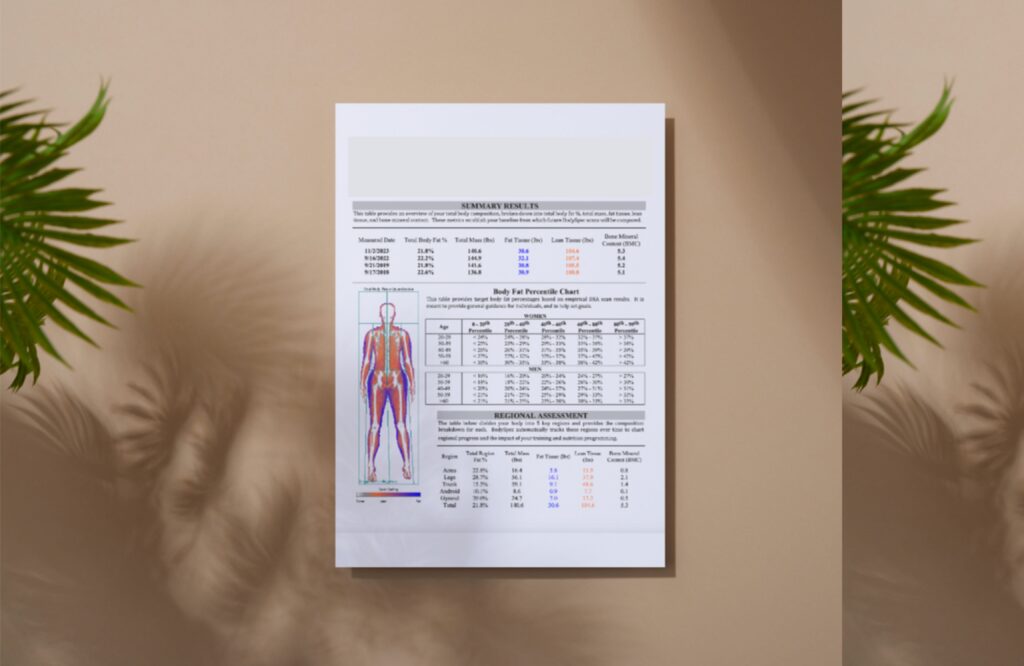
DXA scans are non-invasive, quick, and widely available, making them essential tools in managing osteoporosis. Regular DXA scans are recommended for individuals at risk, including postmenopausal women and older adults, to monitor bone health and intervene early if necessary. Early detection allows for timely interventions such as lifestyle changes, exercise, dietary adjustments, and medications to help maintain or improve bone density and reduce fracture risk.
Exercise: An Evidence-Based Method to Improve Bone Density
Regular exercise, particularly strength training and high-impact exercise, have been extensively studied and shown to improve bone density. Here are the three types of exercise most beneficial for maintaining and improving bone density:
- Weight-Bearing Exercises: Activities like walking, jogging, hiking, or stair climbing. These exercises force your body to work against gravity, helping bones become denser and stronger. Weight-bearing exercises are a great starting point, however, typically an insufficient stimulus to produce significant changes to bone density.
- Strength Training: Lifting weights or using other forms of resistance builds muscle and bone strength. This type of exercise is particularly effective because the muscles pull on the bones during contraction, stimulating bone growth and increasing density.
- High-Impact Exercises: Activities that involve quick, forceful movements, like jumping rope, dancing, and certain plyometric exercises. These exercises generate greater force on the bones, stimulating bone-forming cells to build denser, stronger bones.
The Importance of Resistance Training for Women
The importance of resistance training for women really cannot be overstated. Not only does it offer protection against falls, but regular strength training can help women maintain and even increase their bone density, with postmenopausal women potentially seeing improvements of up to 3% per year. To achieve these benefits, most women need to be lifting heavy weights, aiming for 70-85% of their one-repetition maximum (1RM) for a given movement pattern. Additionally, pursuing progressive overload—continually challenging the body with increased weights or intensity—is key.
Maintaining and improving bone density is essential for long-term health and mobility. By understanding the factors that influence bone density and adopting evidence-based strategies such as proper nutrition, regular resistance training, and lifestyle modifications, you can significantly reduce the risk of osteoporosis and osteopenia. For women, particularly, resistance training is a powerful tool in the fight against bone density loss. Regular DXA scans can provide crucial insights into your bone health, enabling early intervention and effective management. By taking proactive steps now, we can ensure a healthier, more active future for ourselves